
Keynotes
Why good people don't act.
In her keynotes, Stephanie Selmer makes visible why ownership breaks down in organizations.
And shows leaders what to build instead of another appeal for more responsibility.
Whether in a small circle for your leadership team only or for your entire workforce.
The three keynotes
Three entry points into the same model, depending on occasion and audience.
Ownershit – What’s really going on when your people don’t follow
“Take more responsibility!”
Leaders know this sentence, whether it is said out loud or silently assumed. Many wish their people would do more on their own initiative.
Their people, however, are nowhere near ready to do anything with that demand. Often it isn’t simply a matter of “Want to”, but also of “Safe to” or “Able to”.
When the conditions for ownership aren’t in place, the workforce dismisses the demand as “shit”.
This keynote shows the three places where ownership breaks down in organizations: at Want to, at Safe to and at Able to. Leaders learn what share they have in it and what they can do differently starting tomorrow.
Take-aways:
- Why ownership can’t be ordered.
- How to tell whether it’s Want to, Safe to or Able to that’s missing.
- Which levers leaders actually hold in their hands.
Everyone’s on board, nobody’s at the helm – Why responsibility without authority doesn’t land
“Take the helm!”
That’s exactly what leaders want: people who set a course, make decisions and help steer the ship. The helm is free, the invitation has been given. And still nobody is standing at it.
This isn’t laziness. Anyone asked to take the helm first asks: Where are we actually heading? What do I do in a storm? What happens if I can’t hold the course? As long as these questions stay open, the spot at the helm stays empty, and the crew keeps rowing on command.
This keynote shows where room for decisions exists only on paper: in roles, authority and the question of who has the final say when it counts. Leaders learn how to truly hand over the helm and how their people can tell that it’s safe to take it.
Take-aways:
- Why an invitation to take responsibility doesn’t land without clear authority.
- How to tell whether your team is really allowed to decide or only pretends to.
- Which decisions you can hand over starting tomorrow.
Work Is No Picnic – Why ownership decides success or failure
“This is no picnic here. Here, people take responsibility!”
The wish of entrepreneurs and leaders for employees who take on more responsibility is not a “nice to have”. Ownership in the workforce can be the game changer and can decide whether a company succeeds or fails.
Still, ownership is often treated like a feel-good topic: an appeal at the town hall, a poster, a motivation workshop. As if it were a company picnic organized on the side.
Yet ownership is not a character trait that some people have and others don’t. It emerges or fails to, depending on what an organization creates for it. That is hard work, and it falls to leadership.
This keynote shows what missing ownership actually costs a company: decisions that stall, responsibility that gets handed back up, people waiting for instructions. Leaders learn why appeals aren’t enough and where they can start themselves.
Take-aways:
- Why ownership is not a “nice to have” but helps decide success or failure.
- How to tell what missing ownership costs in your organization.
- Why appeals aren’t enough and where to start instead.
What the audience takes away
This is not a motivational talk about the right attitude.
It is a structural explanation on stage: why ownership breaks down, and where leaders can really step in.
A shared language
Leaders and teams leave the room with the same vocabulary for a problem they had described in completely different ways before.
A diagnostic lens
The Ownership Triangle applied live to real situations from the room, not to abstract theory.
A concrete next step
One structural lever the organization can move before the next meeting.
Built on the Ownership Triangle
Every keynote runs on the same model that carries Stephanie's consulting and workshop work.
Three conditions that all have to be true at the same time, before people take responsibility for anything.
- Able to
- Safe to
- Want to
Where these keynotes fit
Booked most often for moments where an organization needs a shared starting point, not just information.
- Leadership offsites and strategy days
- Kickoffs for change and transformation projects
- Annual conferences and town halls
- Conferences for communications and HR leads
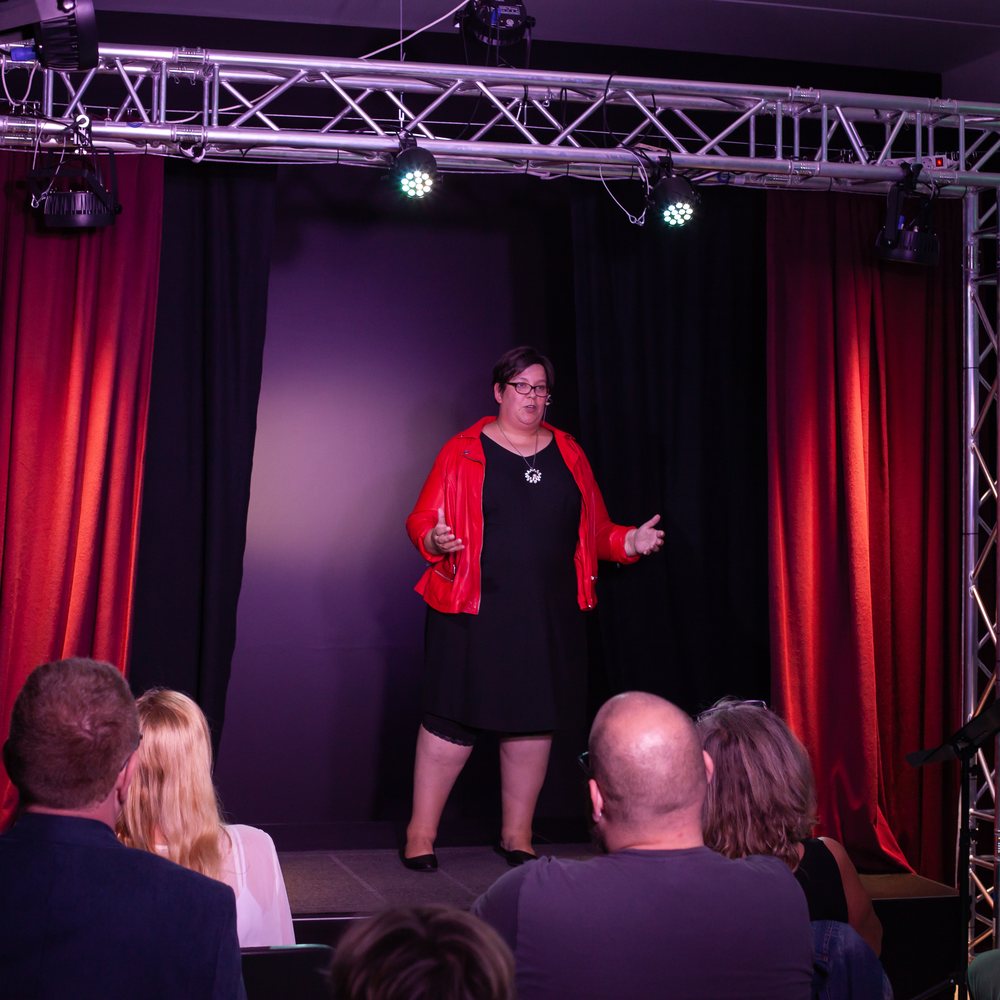
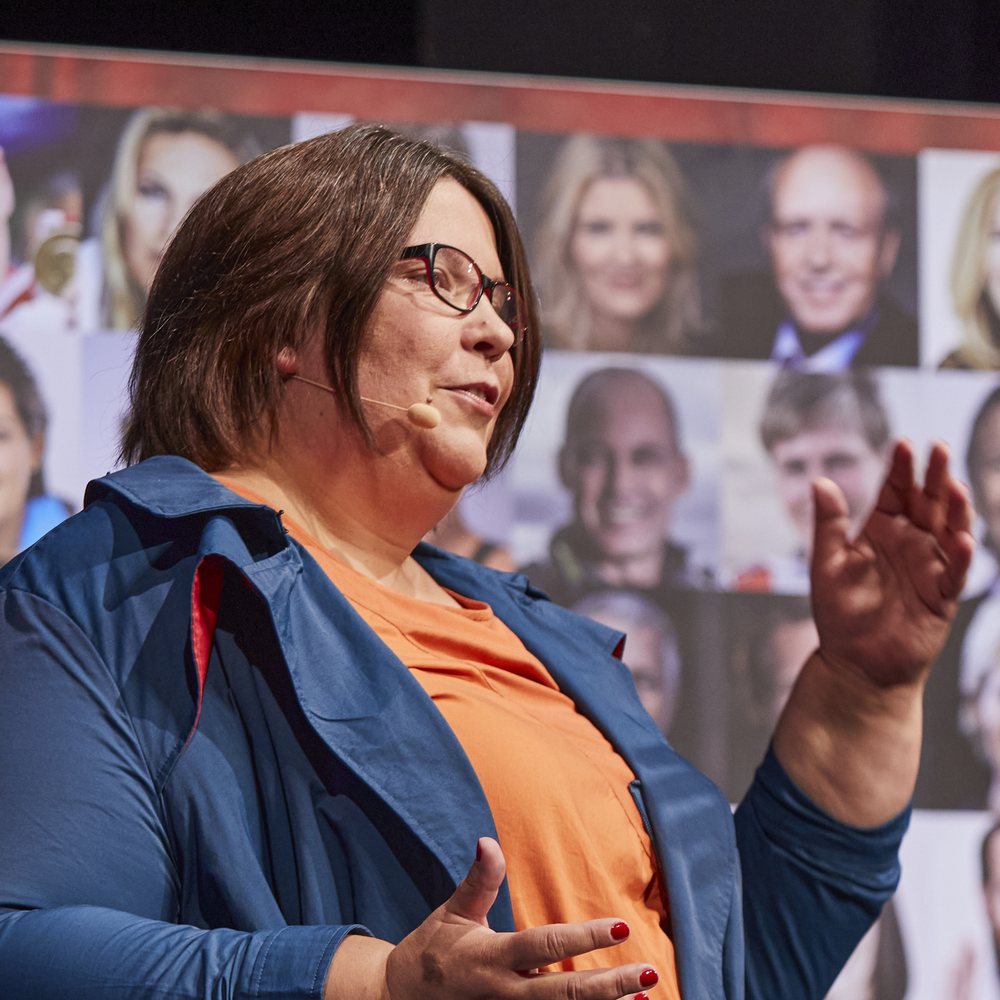
Experience live
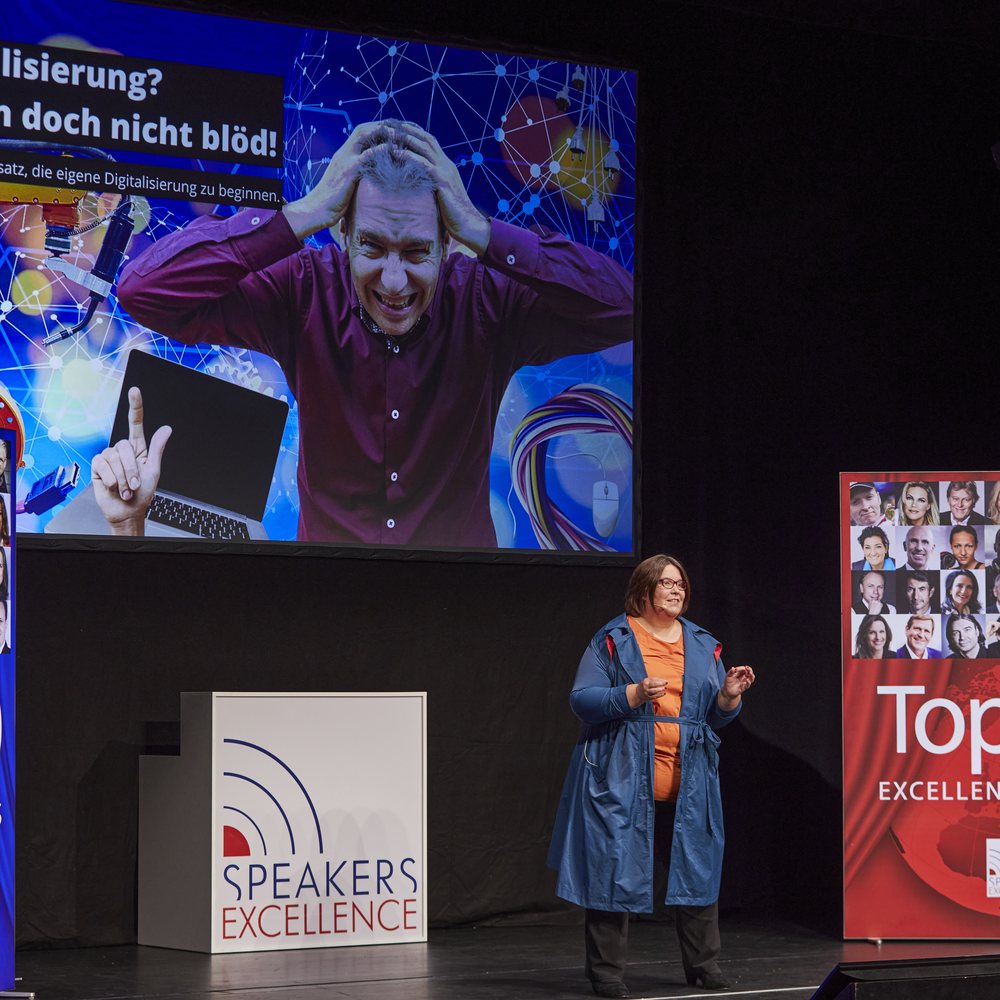
Formats and logistics
- Length: 45 or 60 minutes as a standalone keynote, 90 minutes with extended Q&A.
- Language: in German or English.
- Setting: on site worldwide or virtual for distributed teams.
- Combinable: often booked together with the Assessment as a diagnostic before the date, or followed by a Workshop for more depth.

About the speaker
For more than 15 years, Stephanie Selmer has guided change in corporations and mid-sized companies, as a consultant, keynote speaker, and author. On stage, she brings the same structural clarity she uses in her consulting work.
More about me →Ready to bring this keynote to your stage?
Let's talk about your event, your audience, and the date.
Get in Touch